
Residential Interior Solutions
Designing Homes That Reflect Who You Are
Interior work refers to the process of designing, planning, and executing the inside spaces of residential, commercial, or industrial buildings to make them functional, aesthetically pleasing, and comfortable. It goes beyond just decoration; it involves creating environments that enhance the user experience while reflecting style, personality, and purpose.
Area We Cover
Residential interior work involves the design, planning, and execution of interior spaces within homes — focusing on comfort, aesthetics, functionality, and lifestyle needs. Unlike commercial interiors, which are driven by brand and productivity, residential interiors are deeply personal and tailored to reflect the homeowner’s personality, preferences, and way of living.
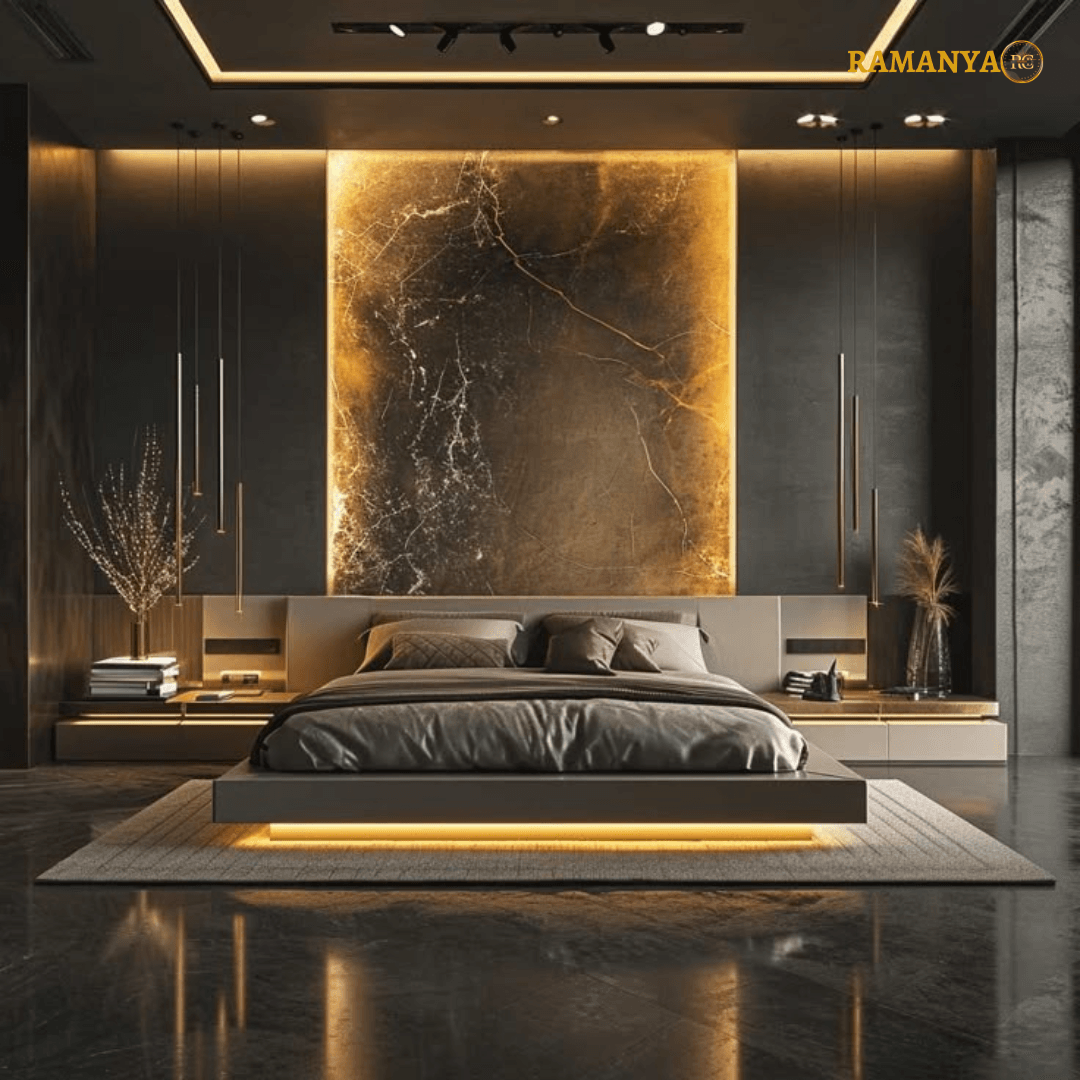
BEDROOM
Work Includes:
- Space planning for bed, wardrobe, and storage placement
- False ceiling and lighting design (ambient and task lighting)
- Wall finishes — paint, wallpaper, wood panels, or fabric cladding
- Wardrobes, dressers, and TV units
- Flooring — wooden, vinyl, tiles, or marble
- Curtains, blinds, and soft furnishings
- Electrical layout and mood lighting setup
- Decorative elements — artwork, mirrors, and accent walls
Goal: To create a calm, cozy, and functional space that supports rest and privacy.
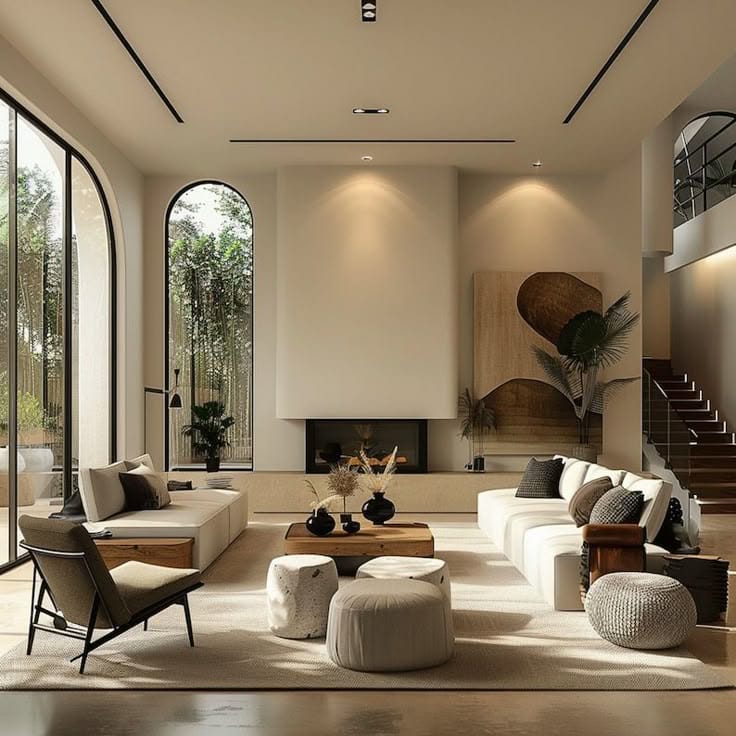
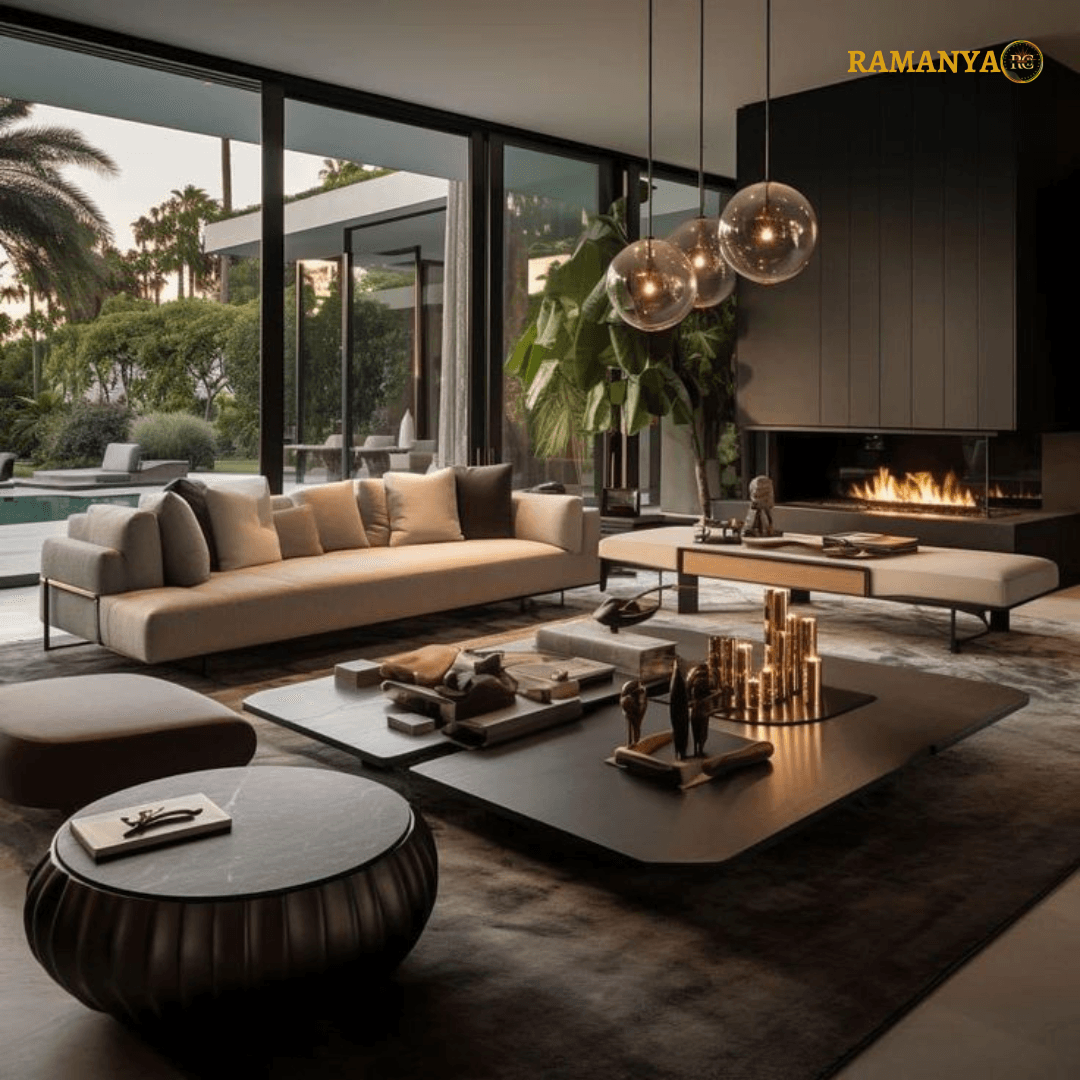
LIVING ROOM
Work Includes:
- Space planning for seating arrangements and traffic flow
- Sofa, center table, and accent furniture design
- TV or entertainment unit fabrication
- False ceiling with layered lighting (ambient, cove, and spotlights)
- Wall paneling, texture paint, or wallpaper finishes
- Flooring — marble, tile, or wooden flooring
- Window treatments and decorative elements
- Art pieces, mirrors, or partition designs
Goal: To design a welcoming, visually appealing space that represents the homeowner’s lifestyle and personality.
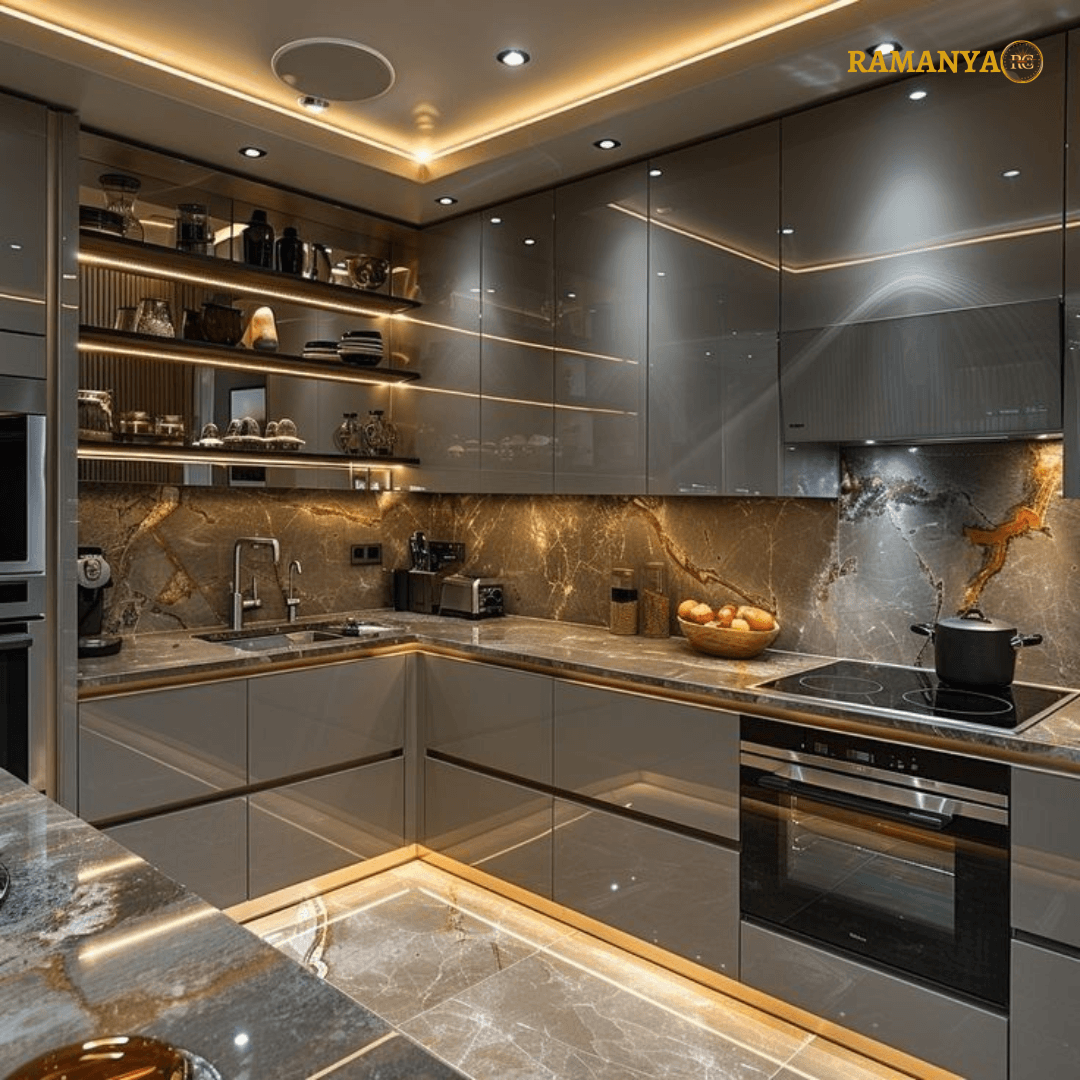
KITCHEN
Work Includes:
- Modular kitchen design (L-shape, U-shape, parallel, or island layout)
- Cabinetry, shutters, and storage planning
- Countertops — granite, quartz, or solid surfaces
- Backsplash design using tiles, glass, or stone
- Sink, plumbing, and appliance integration
- Electrical and lighting planning
- Ventilation systems (chimney, exhaust fans, etc.)
- Flooring and wall finishes
Goal: To create an efficient, ergonomic, and easy-to-maintain space that supports everyday cooking and dining needs.
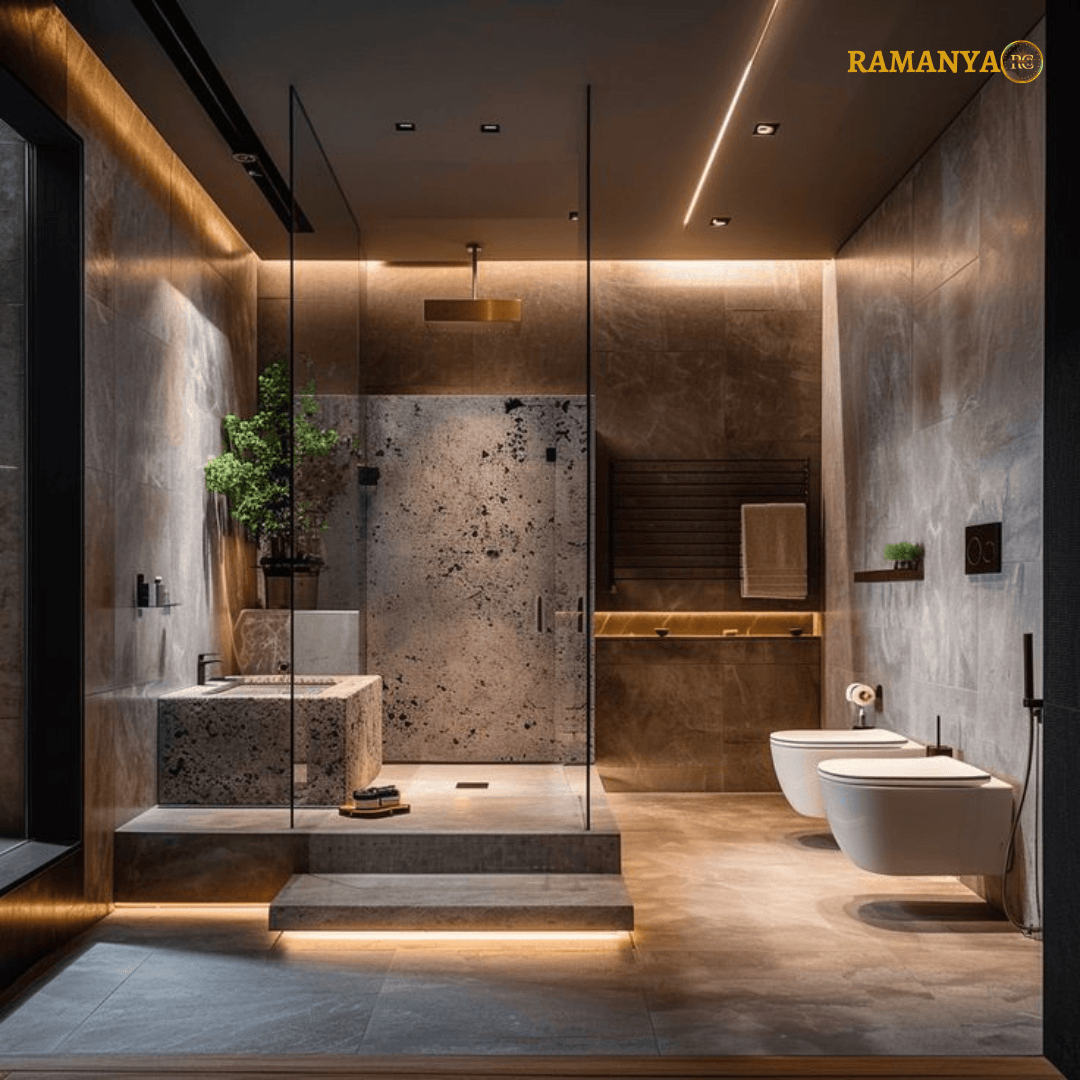
BATHROOM
Work Includes:
- Sanitary fixture selection and layout (WC, basin, shower, bathtub)
- Wall and floor tiles (anti-skid and water-resistant materials)
- Waterproofing and plumbing systems
- Mirror and vanity unit design
- Shower partitions or glass enclosures
- Ceiling and lighting solutions
- Storage solutions (under-counter cabinets, niches)
Goal: To ensure a clean, efficient, and luxurious feel, with durable and water-resistant finishes.
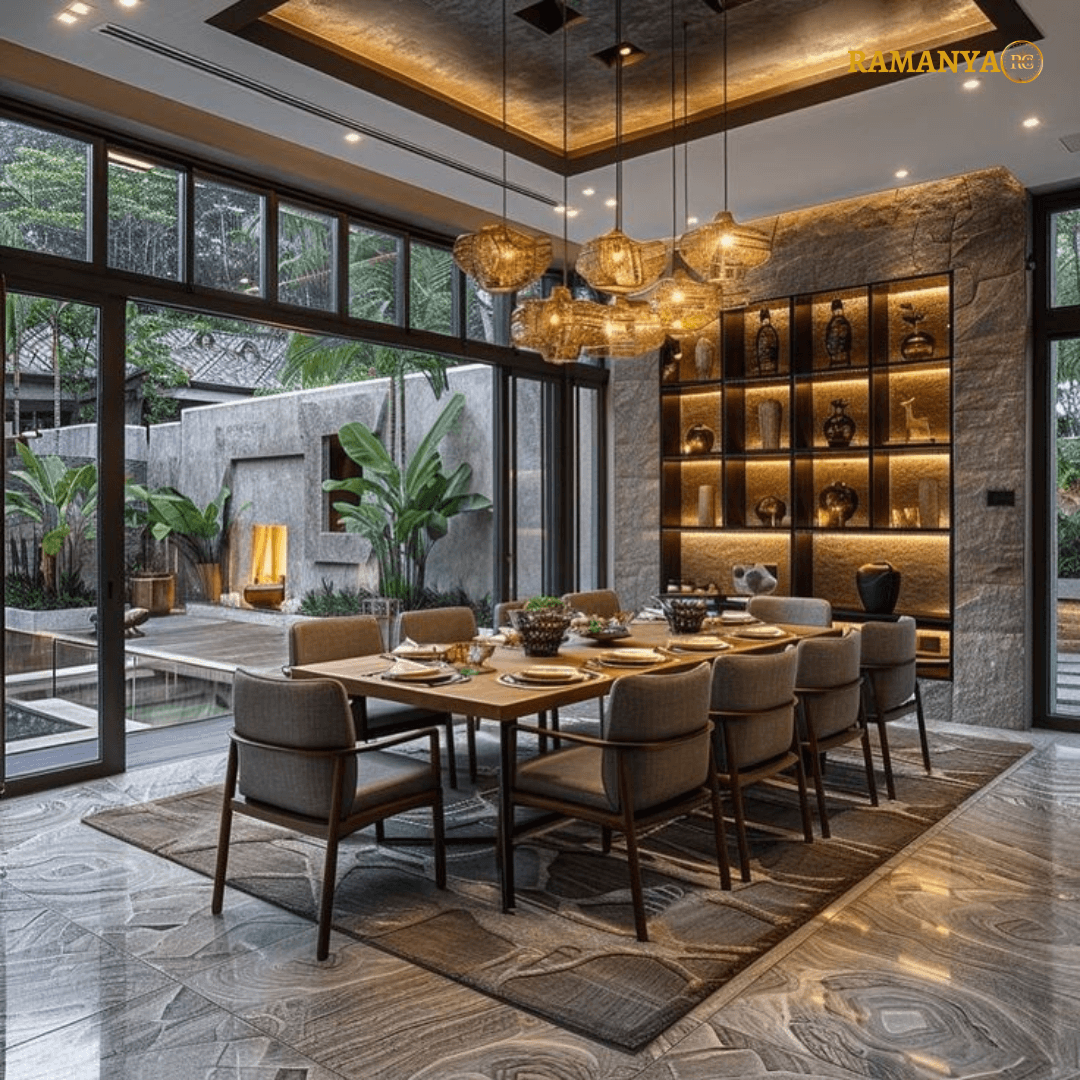
DINING ROOM
Work Includes:
- Dining table and chair selection or custom design
- Wall décor — mirrors, paintings, or feature walls
- Lighting — chandeliers or pendant fixtures above dining table
- Sideboard or crockery unit fabrication
- Flooring and ceiling finishes
- Integration with kitchen or open-concept layout
Goal: To design a warm, elegant, and well-lit area that encourages interaction and comfort during meals.
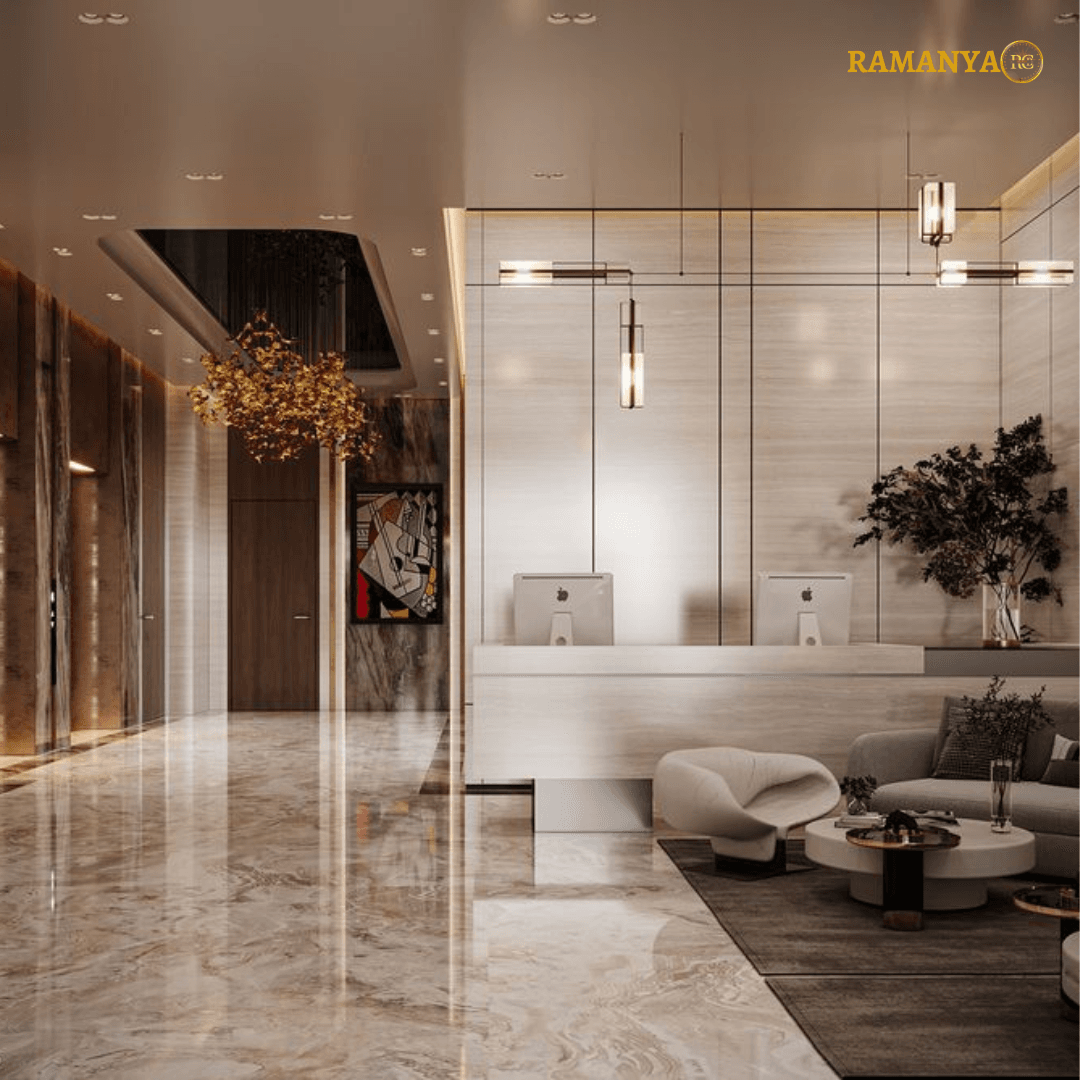
FOYER & ENTRENCE AREA
Work Includes:
- Console table or shoe cabinet design
- Mirror or art feature wall
- Ceiling and lighting design
- Wall panelling or decorative partitions
- Flooring and rug layout
Goal: To create a welcoming entry space that reflects the home’s design style.
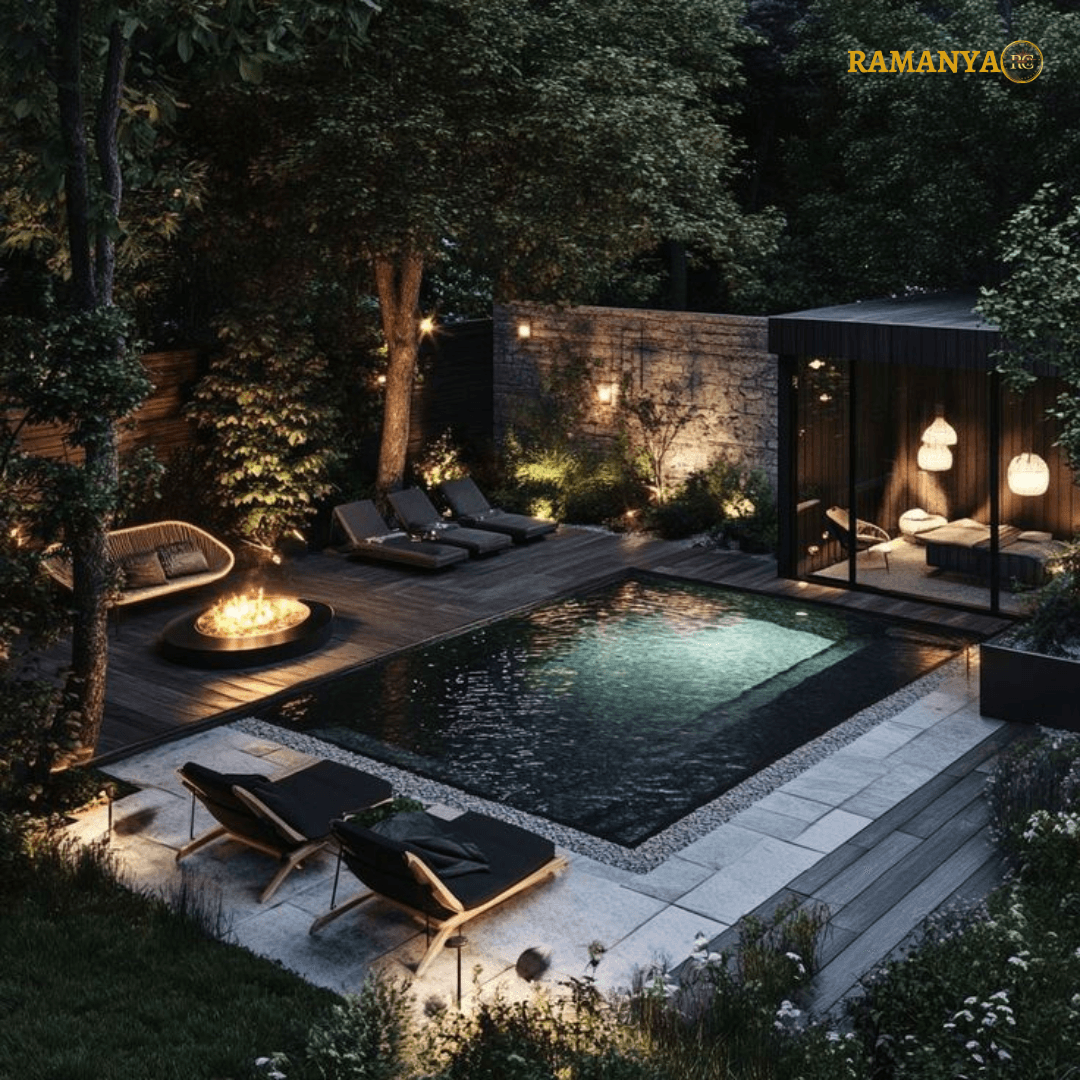
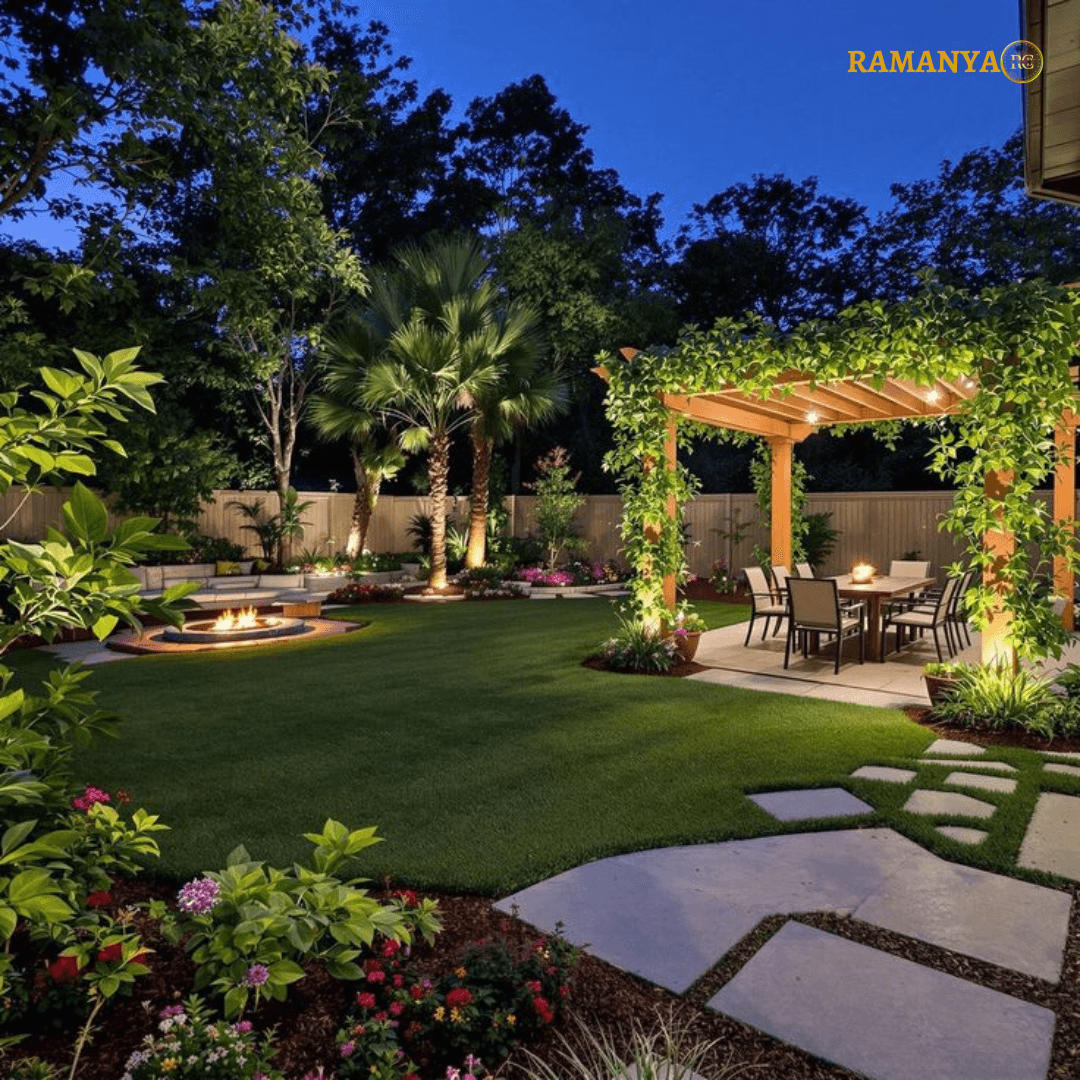
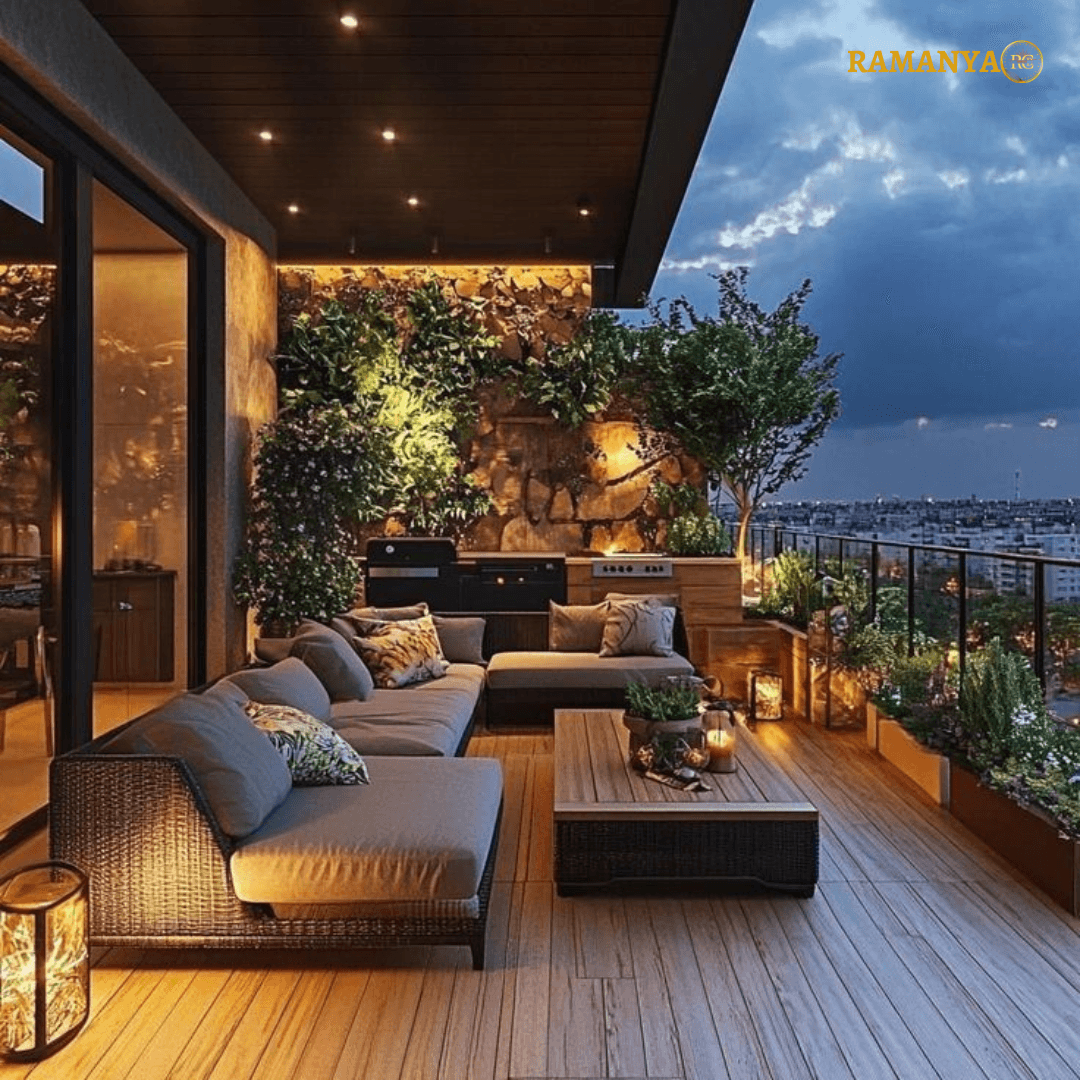
BALCONY & TERRACE
Work Includes:
- Seating arrangements or swing installations
- Artificial grass, decking, or outdoor tiles
- Planters, railing designs, and privacy screens
- Lighting for ambiance
- Waterproofing and wall cladding treatments
Goal: To create a cozy, functional outdoor retreat for leisure and greenery.
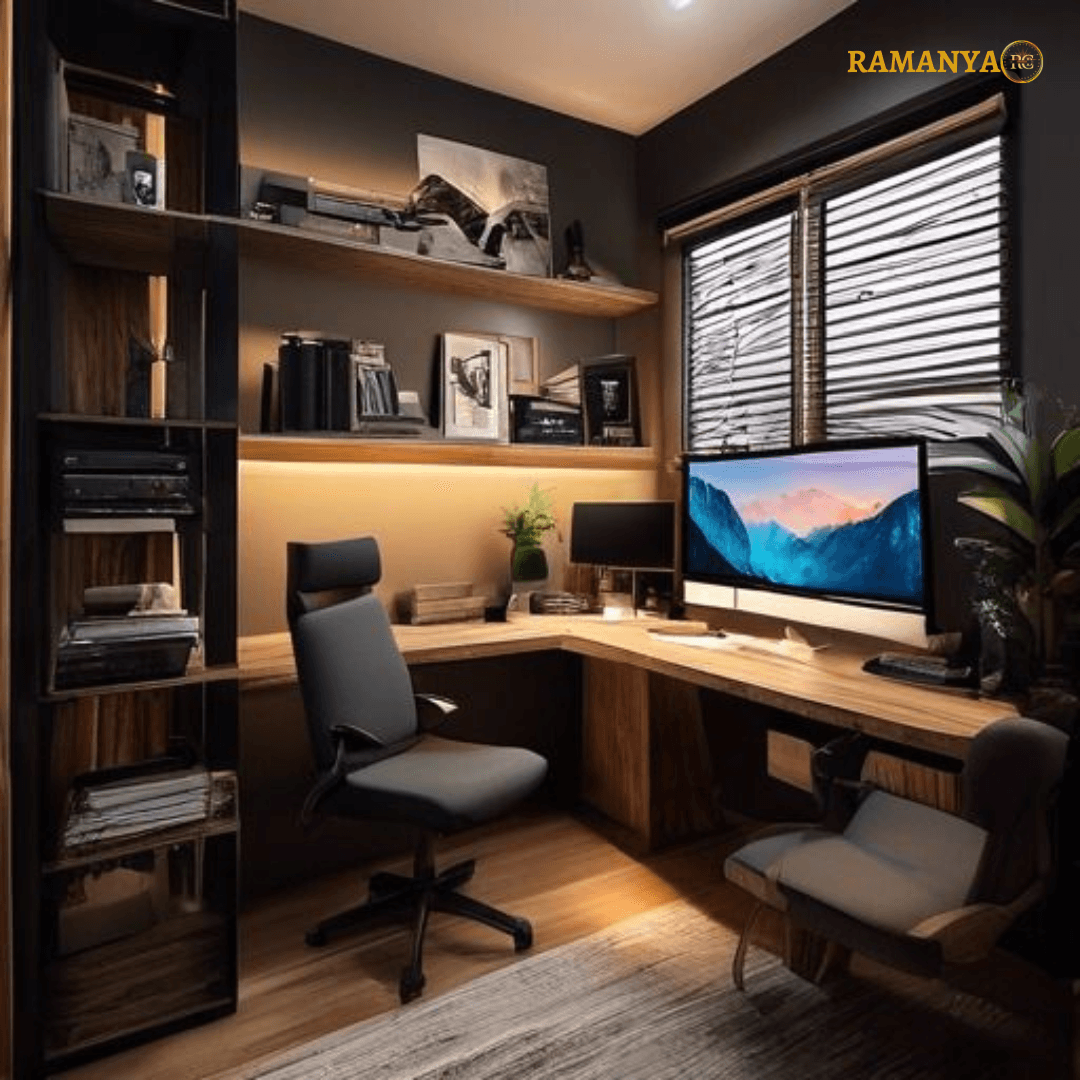
STUDY ROOM/HOME OFFICE
Work Includes:
- Ergonomic workstation design (desk, chair, and shelving)
- Acoustic and lighting planning
- Electrical and data point layouts
- Storage and filing units
- Minimalist, clutter-free design approach
Goal: To provide a distraction-free, productive environment with visual appeal.
KID'S ROOM
Work Includes:
- Playful colour schemes and wall graphics
- Bunk beds or study-cum-storage setups
- Toy and book storage solutions
- Safe flooring and furniture edges
- Adequate natural light and ventilation
Goal: To create an imaginative, fun, and functional environment for children.
GUEST ROOM
Work Includes:
- Bed, wardrobe, and side table setup
- Subtle color schemes and cozy lighting
- Minimal décor with practical storage
- Compact TV or reading corner arrangements
Goal: To balance comfort and style while maintaining simplicity.
POOJA ROOM/MEDITATION ROOM
Work Includes:
- Mandir or altar design using wood, marble, or glass
- Lighting and ventilation planning
- Decorative carvings, jaali panels, or backdrops
- Storage for religious items
Goal: To create a peaceful, sacred space that promotes calmness and devotion.
UTILITY & LAUNDRY AREAS
Work Includes:
- Washing machine and sink setup
- Countertops and wall-mounted storage
- Water-resistant finishes and plumbing design
- Electrical points and drying systems
Goal: To make everyday household chores efficient and organized.
HOME THEATRE OR ENTERTAINMENT ROOM
Work Includes:
- Acoustic wall panels and soundproofing
- False ceiling with concealed lighting
- Recliner seating and riser platforms
- Projector and AV system integration
- Ambient décor and flooring
Goal: To create a cinematic experience with comfort and sound precision.
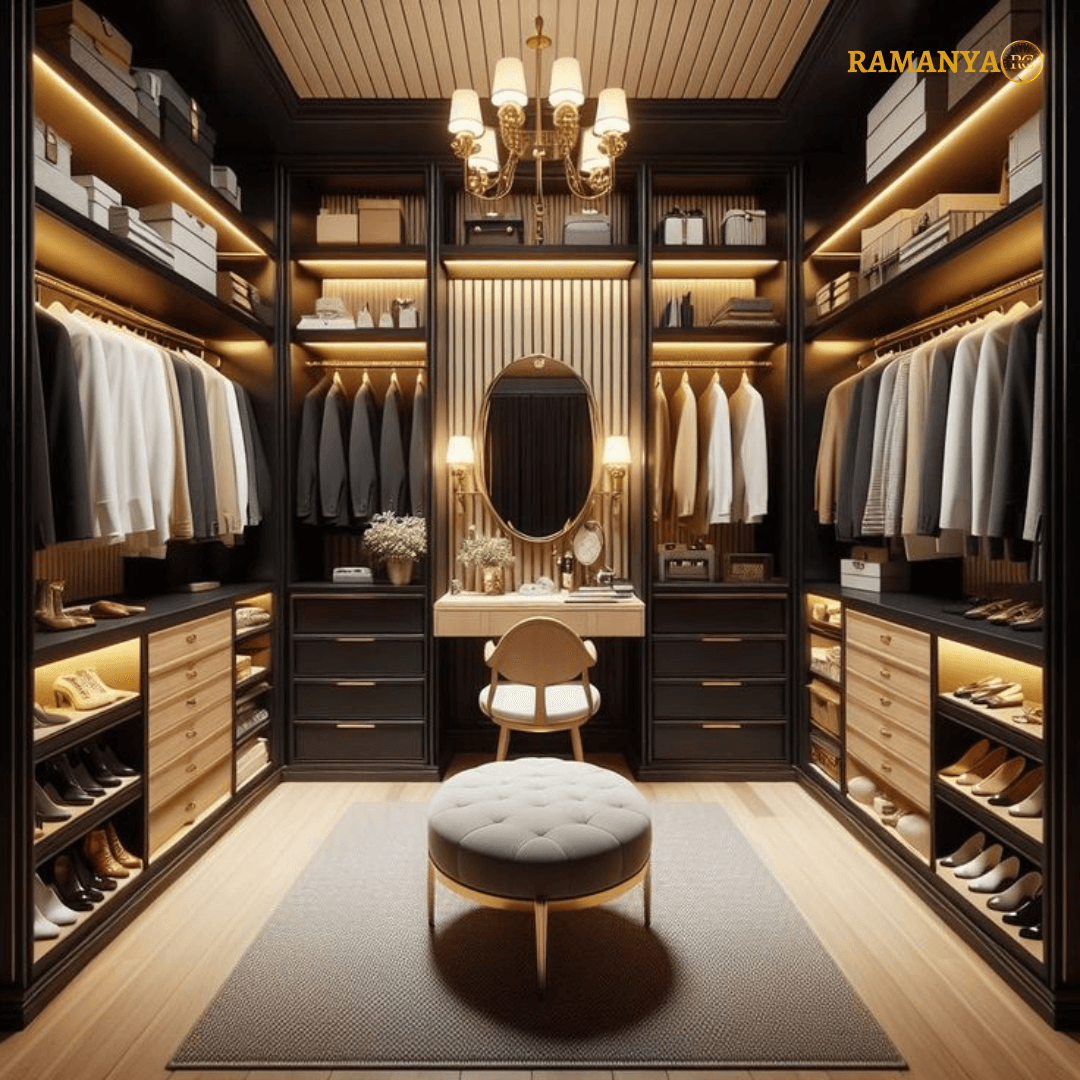
WALK-IN WARDROBE/DRESSING ROOM
Work Includes:
- Customized wardrobe and shelving layout
- Full-height mirrors and dressing counters
- Lighting design for visibility and mood
- Premium finishes — laminates, glass, or veneer
Goal: To design an organized and stylish space for clothing and accessories.
ENTIRE HOME INTERIOR
Work Includes:
- Concept development and 3D visualization
- Civil modifications and space planning
- Electrical, plumbing, and ceiling works
- Furniture and fixture fabrication
- Painting, flooring, and soft furnishing installation
- On-site supervision and final handover
Goal: To deliver a fully furnished, ready-to-move-in home that reflects the client’s taste and lifestyle.
How We Do
Interior work refers to the process of designing, planning, and executing the inside spaces of residential, commercial, or industrial buildings to make them functional, aesthetically pleasing, and comfortable. It goes beyond just decoration; it involves creating environments that enhance the user experience while reflecting style, personality, and purpose.
CONSULTATION AND REQUIREMENT ANALYSIS
Every successful interior project begins with understanding the client’s needs, lifestyle, and preferences.
Process Includes:
- Initial client meeting and site visit
- Understanding space functionality and design expectations
- Discussing budget, timeline, and style preferences
- Gathering measurements and layout plans
Objective:
To establish a clear vision, scope, and direction for the project.
SPACE PLANNING AND CONCEPT DEVELOPMENT
Once the requirements are defined, the design team begins crafting a concept that blends functionality and aesthetics.
Process Includes:
- Space layout and furniture placement
- Color palette and theme development
- Lighting and material concept
- Mood boards and style references
Objective:
To create a balanced and personalized design plan that enhances comfort and visual appeal.
2D LAYOUTS AND 3D DESIGN VISUALIZATION
Before any work begins, detailed drawings and visuals help clients see the proposed design in real form.
Process Includes:
- Preparation of 2D floor plans and working drawings
- 3D renderings for visualization of each space
- Revisions based on client feedback
Objective:
To finalize the design layout and provide a clear preview of the finished home.
MATERIAL SELECTION AND BUDGET FINALIZATION
Material selection plays a crucial role in achieving quality and longevity.
Process Includes:
- Selection of finishes: laminates, veneers, fabrics, tiles, paints, etc.
- Fixture and fitting selection (lighting, hardware, sanitaryware)
- Vendor and brand finalization
- Costing, quotation approval, and project scheduling
Objective:
To confirm materials and budgets before execution begins.
SITE PREPARATION AND CIVIL MODIFICATIONS
Before installation starts, the site is prepared and modified according to the final plan.
Process Includes:
- Demolition of existing partitions or flooring (if required)
- Masonry, leveling, and surface preparation
- Partition walls, false ceiling frameworks, and basic structure setup
Objective:
To ensure the site is ready for safe and efficient execution work.
ELECTRICAL AND PLUMBING WORK
Proper planning of utilities is essential to avoid future issues and maintain neat finishes.
Process Includes:
- Concealed electrical wiring and switchboard installation
- Plumbing line adjustments for kitchen and bathroom areas
- Lighting and automation provisions
- Testing and inspection before closing walls or ceilings
Objective:
To integrate services seamlessly into the design layout.
CARPENTRY AND MODULAR INSTALLATION
This stage shapes the functionality and storage of the home.
Process Includes:
- Modular furniture manufacturing and installation
- Wardrobes, kitchen cabinets, and storage units
- Door and window frames, partitions, and paneling
- Custom furniture fabrication
Objective:
To deliver durable, functional, and aesthetically consistent furniture work.
FALSE CEILING AND LIGHTING INSTALLATION
Lighting and ceilings bring depth, comfort, and mood to every room.
Process Includes:
- Gypsum or POP ceiling work
- Cove lighting and recessed fixtures installation
- LED, pendant, and decorative lighting setup
Objective:
To enhance ambiance, hide wiring, and achieve perfect illumination.
FLOORING AND SURFACE FINISHING
High-quality finishes define the overall beauty and feel of a home.
Process Includes:
- Tile, marble, or wooden flooring installation
- Wall cladding, panelling, and finishing
- Polishing and sealing work for durability
Objective:
To ensure a smooth, elegant, and long-lasting finish across all surfaces.
PAINTING AND POLISHING
This stage gives life, warmth, and character to the interiors.
Process Includes:
- Wall putty and primer application
- Interior and exterior paint finishing
- Polishing of woodwork and furniture surfaces
- Textures, wallpapers, or decorative finishes
Objective:
To deliver a clean, vibrant, and refined final look.
FURNISHING AND DÉCOR
Soft furnishings and accessories add the final touch of comfort and style.
Process Includes:
- Curtain and blind installation
- Upholstery, rugs, and cushions
- Decorative elements such as artwork, mirrors, and plants
Objective:
To complete the space with personal touches that enhance mood and character.
FINAL INSPECTION AND HANDOVER
Every project ends with detailed inspection and client approval.
Process Includes:
- Quality check of finishes, fittings, and alignments
- Electrical and plumbing testing
- Deep cleaning and site handover
- Final walkthrough with the client
Objective:
To ensure 100% satisfaction and deliver a fully finished, move-in-ready home.
POST-HANDOVER SUPPORT
Professional service doesn’t end at handover — maintenance and assistance are key.
Process Includes:
- Warranty and service support
- Guidance on maintenance and product care
- Assistance with upgrades or future modifications
Objective:
To maintain client trust and ensure the long-term quality of work.
What We Use
Residential interior work involves a wide range of materials, each chosen for its specific function, aesthetic quality, and durability. The selection depends on the space, budget, design concept, and lifestyle of the homeowner. Below is a detailed breakdown of all materials commonly used in residential interiors, organized by category.
STRUCTURAL AND BASE MATERIALS
These are the foundational materials used in the framework and structural finishes of interior work.
- Plywood: Strong, versatile sheets made from layers of wood veneer. Used for furniture, cabinetry, paneling, and partitions.
- MDF (Medium-Density Fiberboard): Engineered wood made from wood fibers and resin. Smooth surface, ideal for painted finishes and decorative panels.
- HDF (High-Density Fiberboard): Denser and stronger than MDF, often used for flooring and high-impact areas.
- Particle Board: Budget-friendly alternative to plywood, mainly for low-cost furniture or temporary fixtures.
- Blockboard: Core made of wooden blocks between veneers; used for doors, shelves, and partitions.
- Gypsum Board / POP (Plaster of Paris) Board: Used for false ceilings, wall partitions, and decorative moldings.
Cement Board: Water-resistant and durable, suitable for wet areas like bathrooms and kitchens.
FLOORING MATERIALS
Flooring defines the look and comfort of any space. It’s chosen based on durability, appearance, and maintenance.
- Vitrified Tiles / Ceramic Tiles: Durable, easy to clean, and available in numerous designs.
- Marble: Luxurious natural stone known for elegance and longevity.
- Granite: Hard and durable stone suitable for high-traffic areas.
- Wooden Flooring / Laminates: Adds warmth and sophistication, ideal for bedrooms and living rooms.
- Vinyl Flooring: Cost-effective, waterproof, and available in various finishes.
- Engineered Wood Flooring: Combines natural wood top layer with a plywood base for stability.
- Carpet / Rugs: Soft floor coverings used for comfort and acoustics, mainly in bedrooms or living areas.
- Concrete / Terrazzo Flooring: Modern, durable options often used in minimalist or industrial interiors.
WALL MATERIALS
Walls form the main visual background of any interior, so their materials and finishes matter significantly.
- Paint: Acrylic, emulsion, or oil-based paints used for color and texture.
- Wallpaper: Decorative paper or vinyl covering available in thousands of designs.
- Wall Panels: Wooden, MDF, PVC, or fabric panels for an upscale finish.
- Textured Plaster / Stucco: Adds depth and interest to walls.
- Tiles / Stone Cladding: Common in kitchens, bathrooms, and accent walls.
- Wall Fabric / Upholstered Panels: Adds softness and luxury, often used in bedrooms or lounges.
CEILING MATERIALS
Ceilings enhance both aesthetics and function, often concealing lighting and wiring.
- POP (Plaster of Paris): Used for molding, cornices, and decorative ceilings.
- Gypsum Board: Lightweight, smooth, and fire-resistant material for false ceilings.
- PVC Panels: Waterproof and low-maintenance ceiling solution.
- Wooden Panels / Veneers: Add warmth and character to ceilings.
- Metal Ceiling Tiles: Durable and often used for a contemporary or industrial look.
FURNITURE AND JOINERY MATERIALS
Furniture and built-in storage rely on materials that offer durability, finish quality, and strength.
- Plywood / Blockboard / MDF / Particle Board: Core materials for most furniture.
- Veneer: Thin slice of natural wood glued onto surfaces for a premium wooden finish.
- Laminate: Decorative sheet used for surface finishing, available in glossy, matte, or textured forms.
- Acrylic Sheets: High-gloss and modern surface finish, often used in kitchens and wardrobes.
- Glass: Used in doors, shelves, tabletops, and cabinets for elegance and openness.
- Metal (SS, Brass, Aluminum): Used in frames, handles, trims, and decorative details.
- Solid Wood: Premium material for furniture, doors, and décor, available in types like teak, oak, walnut, and maple.
KITCHEN AND BATHROOM MATERIALS
Wet areas require materials that are moisture-resistant, hygienic, and easy to maintain.
- Granite / Quartz / Marble: Used for countertops and backsplashes.
- Ceramic / Vitrified Tiles: For walls and floors due to their waterproof nature.
- Acrylic / PU Finish Cabinets: Modern, glossy cabinet finishes.
- SS (Stainless Steel): Used for sinks, trolleys, and hardware.
- Glass / Mirror: For shutters, partitions, and shower enclosures.
- PVC Boards: Ideal for waterproof cabinet carcasses in wet areas.
DECORATIVE AND SOFT FURNISHING MATERIALS
These add personality, comfort, and style to interiors.
- Fabrics: Cotton, linen, velvet, leather, silk, suede, and synthetic blends for curtains, sofas, and cushions.
- Carpets and Rugs: Wool, nylon, jute, or synthetic fibre options for warmth and texture.
- Blinds and Curtains: Fabric, bamboo, wooden, or roller types for light control and privacy.
- Wall Art, Mirrors, and Frames: Decorative accessories for visual appeal.
- Upholstery Foam and Fillers: Provide comfort in seating and bedding.
LIGHTING AND ELECTRICAL MATERIALS
Lighting defines the mood and usability of interiors.
- LED Fixtures: Energy-efficient lighting for general and task illumination.
- Recessed Lights / Cove Lighting: Integrated into ceilings and furniture.
- Pendant and Chandeliers: Decorative lighting for focal points.
- Switches and Electrical Fittings: Modular, concealed systems for safety and aesthetics.
HARDWARE AND ACCESSORIES
These are essential functional components in every interior project.
- Handles, Hinges, and Knobs: Brass, SS, aluminum, or antique finishes.
- Drawer Channels / Telescopic Slides: For smooth operation in furniture.
- Wardrobe and Kitchen Accessories: Pull-outs, organizers, corner units, and soft-close systems.
- Fasteners and Fittings: Screws, nails, and brackets for installation and stability.
GLASS, MIRRORS, AND DECORATIVE ELEMENTS
- Tempered Glass: Used for safety in doors, partitions, and railings.
- Frosted / Tinted Glass: For privacy and style.
- Mirrors: Used for decoration, functionality, and to create visual space.
- Stained / Etched Glass: Artistic elements for luxury interiors.
SUSTAINABLE AND ECO-FRIENDLY MATERIALS
Modern residential interiors often incorporate environmentally conscious materials:
- Bamboo and Cane: Renewable materials used in furniture and decor.
- Reclaimed Wood: Eco-friendly option with a rustic aesthetic.
- Low-VOC Paints: Reduce indoor air pollution.
- Recycled Metal / Glass: Sustainable decorative and structural alternatives.
Our Commitment
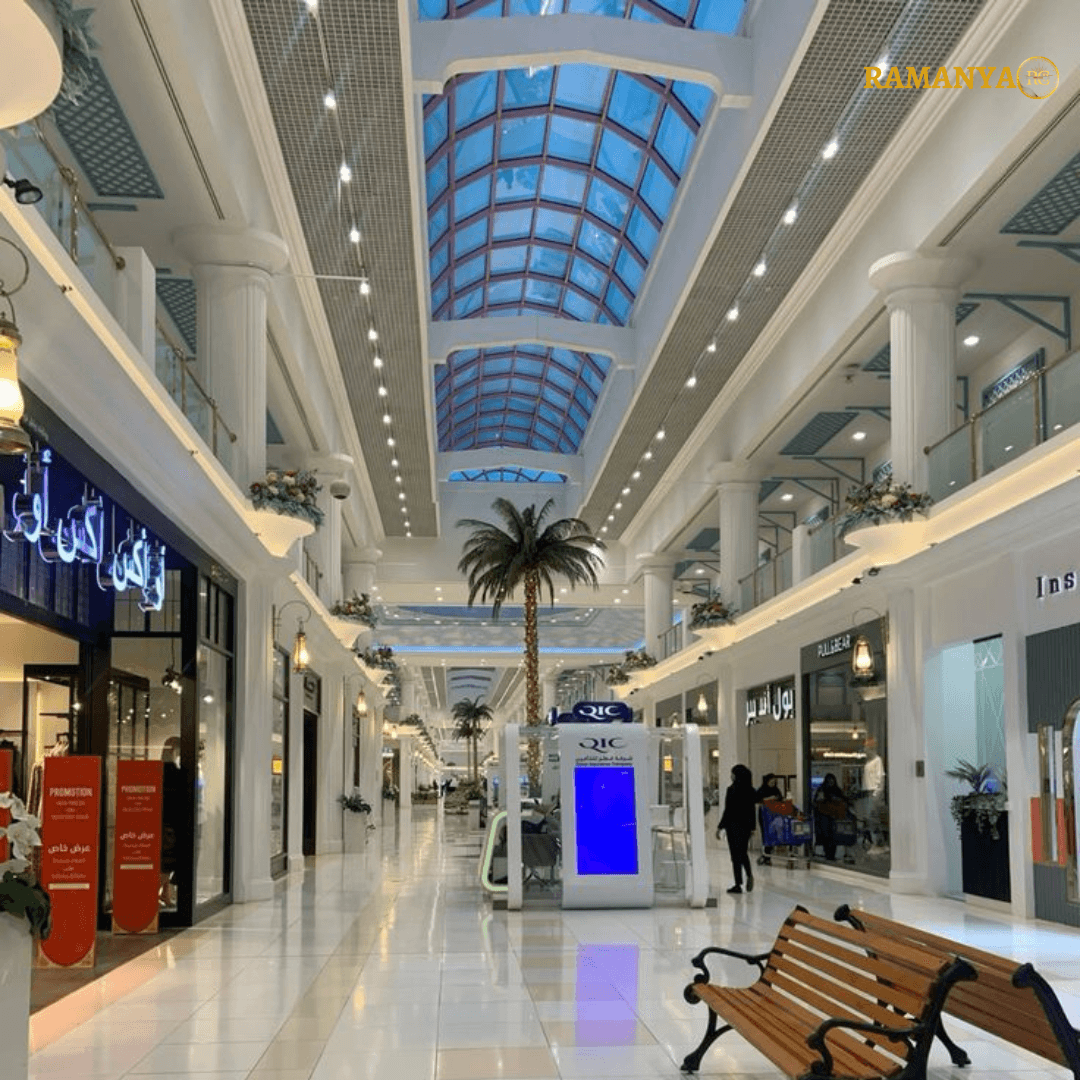
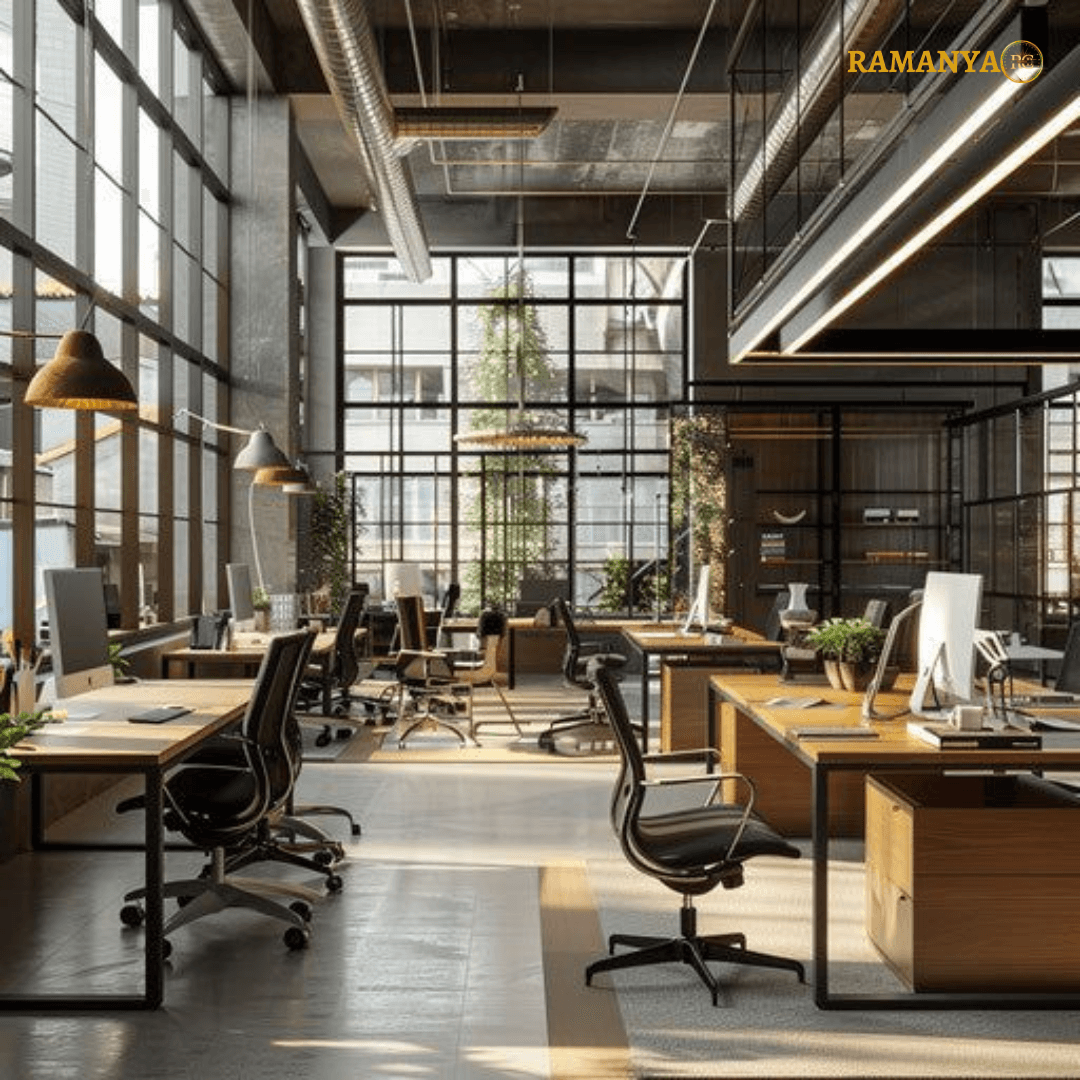
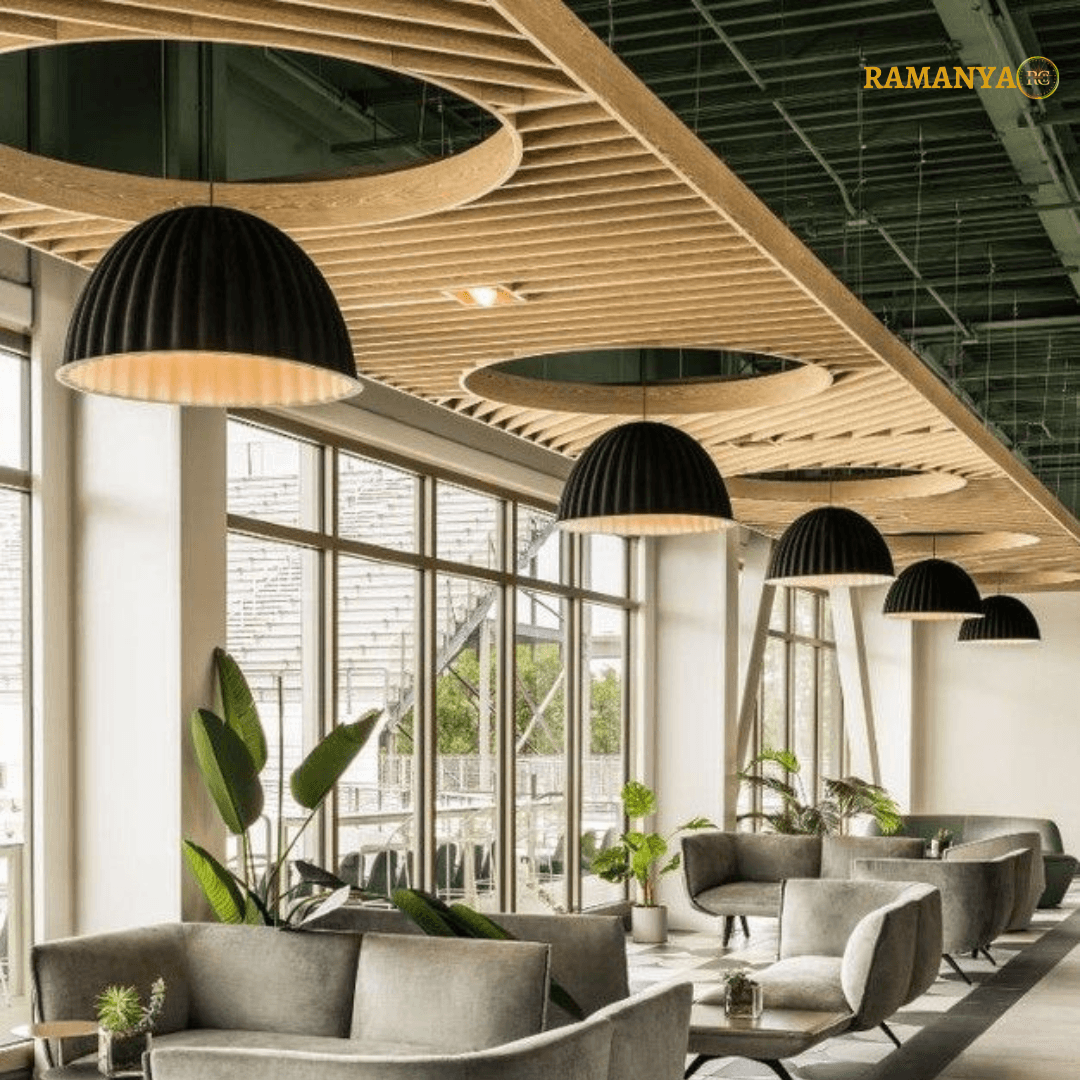
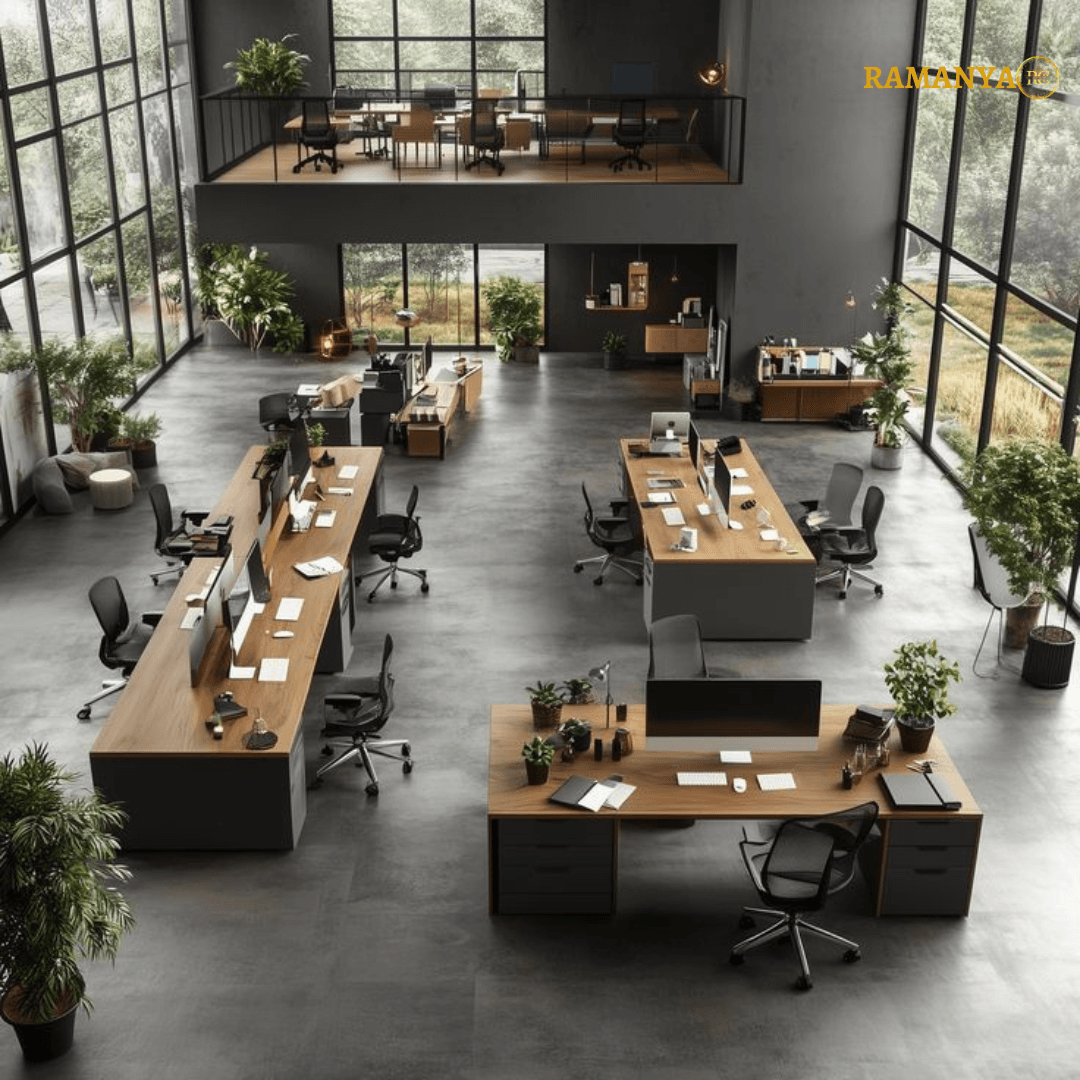
We believe every commercial space should reflect the vision, values, and ambitions of the brand it represents. Our professional interior solutions focus on design excellence, functionality, and durability, ensuring spaces that not only look impressive but also perform efficiently.