
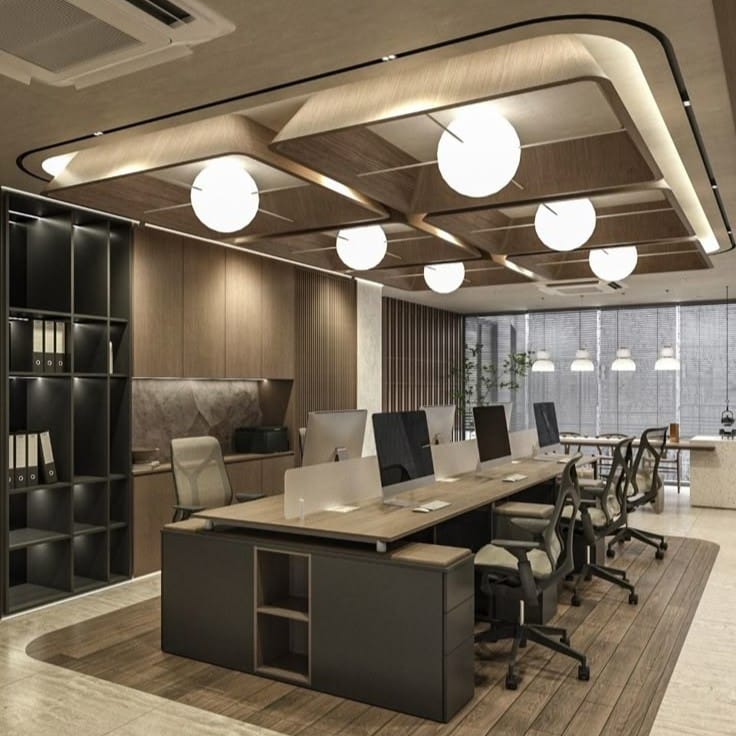
Commercial Interior Solutions
Transforming Workspaces into Inspiring Environments
Commercial interior work focuses on designing and developing interior spaces used for business, corporate, and public purposes. It involves more than just decorating — it’s about creating functional, efficient, and visually engaging environments that reflect a company’s brand identity, enhance user experience, and support business operations.
Every commercial space — whether it’s an office, retail store, restaurant, hospital, or educational institute — requires thoughtful planning that balances aesthetics, practicality, and safety. The design must not only look appealing but also serve the purpose of the organization using it.
Area We Cover
Commercial interior work covers a wide range of design and fit-out services aimed at creating functional, efficient, and visually appealing spaces for businesses and public environments. Each type of commercial interior serves a specific purpose, depending on the nature of the organization and how people interact within that space.
CORPORATE & OFFICCE INTERIORS
Purpose: To create productive, comfortable, and brand-aligned work environments.
Office interiors focus on space efficiency, employee well-being, and technology integration.
Typical Work Includes:
- Reception and Lobby Design
- Open Office Layouts and Workstations
- Executive Cabins and Boardrooms
- Meeting and Conference Rooms
- Breakout and Collaboration Zones
- Pantry and Cafeteria Areas
- Acoustic and Lighting Design
- Furniture and Storage Planning
Goal: Enhance productivity, reflect corporate identity, and ensure a comfortable, inspiring workplace.
RETAIL & SHOWROOM INTERIORS
Purpose: To attract customers, display products effectively, and influence buying behavior.
Retail interiors combine aesthetic appeal with smart layout design for seamless movement and visibility.
Typical Work Includes:
- Store Layout and Display Design
- Product Shelving and Fixture Planning
- Lighting and Signage Integration
- Visual Merchandising and Branding
- Cash Counter and Billing Areas
- Storage and Back-Office Spaces
Goal: Create an engaging, sales-driven environment that strengthens brand identity.
HOSPITALITY INTERIORS
Purpose: To offer comfort, ambiance, and memorable experiences for guests.
Hospitality interiors focus on luxury, functionality, and atmosphere.
Typical Work Includes:
- Hotel Rooms and Suites
- Reception and Lobby Design
- Restaurants, Cafés, and Bars
- Banquet Halls and Event Spaces
- Spa, Pool, and Recreational Areas
- Kitchens and Service Corridors
Goal: Combine aesthetics with practicality to ensure comfort, efficiency, and a lasting impression.
HEALTHCARE INTERIORS
Purpose: To create safe, hygienic, and stress-free environments for patients, doctors, and staff.
Typical Work Includes:
- Hospitals, Clinics, and Dental Centers
- Operation Theatres and ICU Units
- Patient Rooms and Recovery Areas
- Reception and Waiting Lounges
- Laboratories and Diagnostic Centers
- Staff Rooms and Utility Areas
Goal: Promote healing and efficiency through clean design, easy navigation, and durable materials.
EDUCATIONAL & INSTITUTIONAL INTERIORS
Purpose: To design spaces that encourage learning, collaboration, and innovation.
Typical Work Includes:
- Schools, Colleges, and Universities
- Classrooms and Lecture Halls
- Libraries and Study Zones
- Laboratories and Research Rooms
- Auditoriums and Activity Halls
- Administrative and Staff Offices
Goal: Create comfortable, well-lit, and motivating spaces that support education and development.
BANKING & FINANCIAL INTERIORS
Purpose: To ensure security, professionalism, and customer trust.
Typical Work Includes:
- Bank Branch Layouts
- Teller and Transaction Counters
- Waiting and Reception Areas
- Private Meeting and Advisory Rooms
- Safe Deposit and Vault Rooms
- Staff and Server Rooms
Goal: Combine security with ease of operation and a polished, trustworthy appearance.
ENTERTAINMENT & RECREATIONAL INTERIORS
Purpose: To design lively, engaging spaces for leisure, fun, and performance.
Typical Work Includes:
- Theatres and Multiplexes
- Game Zones and Arcades
- Gyms and Fitness Studios
- Spas and Wellness Centres
- Clubs, Lounges, and Bars
- Museums and Art Galleries
Goal: Balance comfort, sound control, lighting, and mood to enhance the user experience.
INDUSTRIAL & WAREHOUSE INTERIORS
Purpose: To improve workflow, storage efficiency, and safety in industrial operations.
Typical Work Includes:
- Factory Office Interiors
- Control and Monitoring Rooms
- Canteen and Rest Zones
- Storage Racks and Shelving Systems
- Industrial Lighting and Flooring Solutions
- Safety and Fire Exit Planning
Goal: Provide durable, functional interiors that support production and compliance standards.
TRANSPORTATION & PUBLIC INFRASTRUCTURE INTERIORS
Purpose: To ensure comfort, flow, and safety in high-traffic public areas.
Typical Work Includes:
- Airports and Terminals
- Metro and Railway Stations
- Bus Depots and Waiting Lounges
- Ticket Counters and Control Rooms
- Restrooms and Food Courts
- Information Kiosks and Signage Systems
Goal: Enhance passenger experience through clarity, comfort, and accessibility.
CO-WORKING & SHARED WORKSPACES
Purpose: To provide flexible, collaborative, and community-driven work environments.
Typical Work Includes:
- Hot Desk and Shared Work Zones
- Meeting Pods and Conference Rooms
- Cafeteria and Lounge Areas
- Event and Networking Spaces
- Phone Booths and Quiet Corners
Goal: Encourage creativity, networking, and adaptability for diverse users.
GOVERNMENT & CIVIC INTERIORS
Purpose: To design public offices that support efficient service delivery and professional administration.
Typical Work Includes:
- Government Offices and Secretariats
- Courts and Council Chambers
- Police and Fire Stations
- Citizen Service Centers
- Public Libraries and Archives
Goal: Create functional, secure, and accessible environments for government operations.
EXHIBITION & EVENT INTERIORS
Purpose: To create impactful, temporary setups that promote products, brands, or ideas.
Typical Work Includes:
- Trade Fair Booths and Pavilions
- Product Display and Launch Stages
- Conference and Seminar Setups
- Art and Cultural Exhibition Designs
Goal: Deliver strong visual impact with efficient spatial design and easy installation.
HOSPITALITY-RETAIL HYBRID INTERIORS
Purpose: To combine hospitality experience with retail functionality, often seen in modern malls or mixed-use developments.
Typical Work Includes:
- Food Courts and Café Chains
- Hotel Retail Outlets
- Lifestyle and Brand Experience Stores
- Entertainment Lounges within Retail Spaces
Goal: Create a seamless blend of commerce and leisure through design continuity and comfort.
MIXED-USE & COMMERCIAL COMPLEX INTERIORS
Purpose: To integrate multiple business functions within one development.
Typical Work Includes:
- Business Parks and Corporate Hubs
- Shopping Malls and Multiplexes
- Co-Living and Co-Working Complexes
- Hospitality and Retail Zones within Commercial Towers
Goal: Achieve efficient zoning, aesthetic harmony, and flexible design across multiple user types.
SPECIALITY COMMERCIAL INTERIORS
Certain projects demand tailored design approaches for niche commercial uses.
Examples include:
- Studios and Creative Spaces (Photography, Recording, or Design)
- Data Centers and Control Rooms
- Labs and R&D Facilities
- Sports and Fitness Arenas
- Religious or Spiritual Centers
Goal: Combine technical precision with specialized functionality.
How We Do
Commercial interior design is a specialized discipline that focuses on creating functional, efficient, and visually appealing environments for business and public use. Unlike residential design, it must balance aesthetics with performance, safety, and brand alignment. Every decision — from layout to lighting — contributes to how people experience and interact with the space.
SPACE PLANNING & FUNCTIONALITY
Effective space planning is the foundation of any commercial interior project. It involves analysing the layout, workflow, and user behaviour to ensure maximum efficiency and comfort.
Key considerations include:
- Proper zoning of public, private, and service areas.
- Smooth circulation and accessibility.
- Integration of utilities, emergency exits, and service routes.
- Flexibility for future expansion or reconfiguration.
A well-planned layout enhances productivity, supports daily operations, and ensures the space serves its intended purpose seamlessly.
BRAND IDENTITY & AESTHETIC CONCEPT
Commercial spaces are physical extensions of a brand. The interior design should visually communicate the company’s identity, values, and culture.
Designers achieve this through:
- Colour schemes that match the brand’s tone and energy.
- Use of logo elements, materials, and textures that reflect the company’s character.
- A cohesive visual language that connects interiors with the brand’s overall image.
For example, a luxury boutique might use marble, warm lighting, and metallic finishes, while a tech start-up might opt for clean lines, bold colours, and open spaces.
MATERIALS & FINISHES
Material selection plays a critical role in commercial interiors, combining durability with design appeal. Because these environments face heavy use, materials must be long-lasting, easy to maintain, and compliant with safety standards.
Common considerations include:
- Flooring that withstands high foot traffic.
- Washable paints and finishes for cleanliness.
- Fire-rated materials for safety.
- Sustainable materials for eco-conscious projects.
A thoughtful mix of textures and finishes creates depth and reinforces the intended mood of the space.
LIGHTING DESIGN
Lighting defines both the atmosphere and functionality of a commercial space. It influences mood, focus, and how products or architectural elements are perceived.
Key aspects include:
- Ambient lighting: General illumination that ensures comfort.
- Task lighting: Focused lighting for work or operational areas.
- Accent lighting: Highlights products, artworks, or features.
- Natural lighting: Optimized through layout and window design for energy efficiency.
Balanced lighting enhances user experience and reduces energy consumption.
ERGONOMICS & USER EXPERIENCE
Commercial interiors must be designed around people — employees, clients, and visitors alike. Ergonomic design ensures comfort, health, and efficiency.
Examples include:
- Workstations designed to reduce fatigue and strain.
- Seating that supports posture and comfort.
- Logical flow of movement for both staff and customers.
An interior that supports human behaviour leads to improved satisfaction and productivity.
TECHNOLOGY INTEGRATION
Modern commercial spaces rely heavily on technology. Designers must plan for:
- Smart lighting and HVAC systems.
- Audio-visual setups for meeting rooms or retail displays.
- Power and data management for workstations.
- Security systems and digital signage.
Seamlessly integrating technology keeps the space functional, future-ready, and efficient.
ACOUSTICS & SOUND MANAGEMENT
Noise control is a major concern in offices, restaurants, and public spaces. Acoustic design improves focus, privacy, and comfort.
Solutions include:
- Sound-absorbing panels and ceilings.
- Carpet or vinyl flooring to minimize echoes.
- Acoustic partitions between work zones.
- Strategic placement of furniture and soft materials.
Proper acoustics create a calm and professional environment, even in busy commercial settings.
SAFETY, COMPLIANCE & ACCESSIBILITY
Every commercial interior must adhere to building codes, fire safety regulations, and accessibility standards.
Essential considerations include:
- Fire-rated doors and materials.
- Clearly marked emergency exits.
- Slip-resistant flooring.
- Accessible pathways and restrooms for people with disabilities.
Designing with compliance in mind ensures safety and protects both the business and its occupants.
SUSTAINABILITY & ENVIRONMENTAL RESPONSIBILITY
Sustainable design is now a standard expectation in commercial interiors. Designers aim to minimize environmental impact through:
- Energy-efficient lighting and climate systems.
- Use of recycled or renewable materials.
- Water-saving fixtures and systems.
- Maximizing natural light and ventilation.
Green design not only reduces operational costs but also enhances a brand’s corporate image.
AESTHETICS & AMBIENCE
Beyond functionality, commercial spaces must evoke the right atmosphere. The visual harmony of color, lighting, texture, and form creates emotional connections and strengthens brand experience.
For example:
- A hotel lobby should feel welcoming and luxurious.
- A retail space should be engaging and product-focused.
- An office should feel inspiring yet professional.
A successful aesthetic concept makes a lasting impression on clients and employees alike.
PROJECTS MANAGEMENT & COORDINATION
Commercial interior design requires precise coordination between designers, architects, engineers, contractors, and suppliers. Effective project management ensures:
- On-time execution.
- Budget control.
- Quality assurance.
- Smooth collaboration across disciplines.
Strong communication and documentation are key to delivering a professional result.
MAINTENANCE & LONGEVITY
The best commercial interiors are designed for long-term performance. This means choosing materials and systems that are easy to clean, repair, or replace when necessary. A maintenance-friendly design ensures that the space remains functional and appealing for years with minimal downtime.
What We Use
Commercial interiors demand materials that balance durability, functionality, aesthetics, and brand identity. Since these spaces experience heavy foot traffic and frequent use, materials must be strong, long-lasting, and easy to maintain — while still protecting the desired professional image.
STRUCTURAL & BASE MATERIALS
These materials form the foundation for partitions, ceilings, furniture, and built-ins.
- Plywood: High-grade marine or commercial plywood for furniture, partitions, and wall claddings.
- MDF (Medium Density Fiberboard): Smooth surface, ideal for paint or laminate finishes in display areas and furniture.
- HDF (High Density Fiberboard): Used where higher strength is required, such as in partitions or heavy furniture.
- Blockboard: Used for doors, wall panels, and long-span furniture due to its strength and stability.
- Cement Board / Calcium Silicate Board: Moisture-resistant option for restrooms, pantries, and utility areas.
- Gypsum Board: Lightweight, fire-resistant material for ceilings and wall systems.
- Metal Frameworks (MS / GI): Used for partitions, false ceilings, and structural supports.
FLOORING MATERIALS
Commercial flooring must be durable, non-slip, and easy to clean. The choice depends on the space type and foot traffic.
- Vitrified and Porcelain Tiles: Common in offices, lobbies, and retail spaces for their strength and low maintenance.
- Granite and Marble: Premium, long-lasting materials for receptions, corridors, and luxury zones.
- Vinyl Flooring: Highly durable and available in a range of textures and colors, ideal for offices and retail.
- Carpet Tiles: Provide noise reduction and comfort in corporate and hospitality environments.
- Epoxy Flooring: Seamless, chemical-resistant surface used in hospitals, laboratories, and industrial spaces.
- Wooden / Laminate Flooring: Adds warmth and sophistication, often used in executive cabins or restaurants.
- Rubber Flooring: Non-slip and resilient, suitable for gyms and educational institutions.
WALL FINISHING MATERIALS
Wall finishes in commercial spaces contribute to branding, acoustics, and aesthetics.
- Paints: High-washable, low-VOC, or anti-bacterial paints for clean and professional finishes.
- Wallpaper: Used for accent walls and thematic design areas.
- Wall Panels: MDF, PVC, metal, or fabric panels for acoustic control and visual interest.
- Glass Partitions: Clear, frosted, or tinted glass to create openness while maintaining privacy.
- Wood and Veneer Cladding: Brings warmth and sophistication, especially in offices and hospitality interiors.
- Stone / Tile Cladding: Adds texture and durability to high-impact zones such as reception areas.
- Acoustic Wall Panels: Used in conference rooms, auditoriums, and restaurants to control sound.
CEILING MATERIALS
Ceilings in commercial spaces often conceal wiring, lighting, and HVAC ducts while enhancing design appeal.
- Gypsum Board Ceilings: Smooth, fire-resistant, and flexible for different designs.
- Mineral Fiber Tiles / Grid Ceilings: Excellent for acoustics in offices and classrooms.
- Metal Ceiling Tiles: Durable and ideal for modern, industrial designs.
- PVC Panels: Lightweight and water-resistant for utility or washroom areas.
- POP (Plaster of Paris): Used for moldings, cornices, and decorative elements.
- Wooden or Veneered Ceilings: Adds warmth to executive or hospitality spaces.
FURNITURE & FIXTURE MATERIALS
Furniture materials in commercial interiors must combine comfort, longevity, and brand aesthetics.
- Plywood / Blockboard / MDF: Core structure materials for furniture and storage units.
- Laminates: Widely used for surface finishing; available in matte, gloss, textured, or digital prints.
- Veneer: Natural wood finish for high-end spaces like boardrooms and reception areas.
- Acrylic Sheets: Glossy, modern finish often used in showrooms or office fronts.
- Glass: Used in workstations, partitions, conference tables, and displays.
- Metal (Stainless Steel / Aluminum / Mild Steel): Used for furniture frames, shelving, and decorative trims.
- Solid Surface (Corian, Quartz): Durable, seamless countertops for reception desks, pantries, and restrooms.
- Upholstery Materials: Leatherette, fabric, or mesh used for seating comfort and durability.
LIGHTING & ELECTRICAL MATERIALS
Lighting systems define both the function and mood of commercial interiors.
- LED Fixtures: Energy-efficient lighting for general illumination.
- Recessed and Cove Lights: Integrated into ceilings for a sleek look.
- Track Lights / Spotlights: Used in retail and galleries to highlight products or art.
- Pendant Lights / Chandeliers: Decorative lighting for lobbies and restaurants.
- Smart Lighting Controls: Motion sensors, dimmers, and automated systems for energy management.
- Cable Management Systems: Conduits, raceways, and channels for safe and concealed wiring.
GLASS, MIRRORS, & METALS FINISHES
Used for transparency, reflection, and a contemporary aesthetic.
- Tempered Glass: Safe and strong, used for doors, partitions, and facades.
- Frosted / Etched Glass: Adds privacy while maintaining brightness.
- Mirror Glass: Used in lobbies, washrooms, and gyms to create visual space.
- Brushed Aluminum / Stainless Steel Finishes: Modern metallic accents for furniture, railings, and trims.
- Brass or Copper Details: Used in luxury commercial interiors for premium finishes.
SIGNAGE, BRANDING & DECORATIVE ELEMENTS
Branding is a vital aspect of commercial interiors.
- Acrylic Letters / 3D Signage: For logos and directional signs.
- Vinyl Graphics / Wall Decals: For brand visuals and wayfinding.
- Backlit Panels: Illuminated branding or display areas.
- Digital Displays: Used in showrooms, banks, and retail for dynamic communication.
- Plants and Green Walls: Add freshness and biophilic value.
HARDWARE& FITTINGS
Reliable hardware ensures longevity and smooth functionality.
- Hinges, Handles, and Knobs: SS, brass, or coated finishes for doors and furniture.
- Drawer Channels and Runners: Soft-close or telescopic types for convenience.
- Door Closers and Floor Springs: Common in commercial entrances.
- Glass Fittings: Patch fittings, spider fittings, and D-handles.
- Modular Office Accessories: Keyboard trays, cable grommets, and CPU trolleys.
ACOUSTIC, THERMAL, & SAFETY MATERIALS
Commercial interiors must ensure safety, comfort, and compliance.
- Acoustic Boards / Foam Panels: For soundproofing meeting rooms and auditoriums.
- Thermal Insulation Materials: Glass wool, rock wool, or foam boards for temperature regulation.
- Fire-Rated Doors and Partitions: Used in compliance with building codes.
- Anti-Slip Mats and Flooring: Safety measures for corridors and washrooms.
- Emergency Lighting and Signage: Essential for safety and evacuation pathways.
SUSTAINABLE & ECO-FRIENDLY MATERIALS
Many modern commercial projects emphasize sustainability and environmental responsibility.
- Bamboo, Cork, or Recycled Wood: Renewable materials for furniture and wall panels.
- Low-VOC Paints and Finishes: Improve indoor air quality.
- Energy-Efficient Lighting and HVAC Systems: Reduce energy consumption.
- Recycled Metal and Glass: Used for decorative or structural elements.
- Living Green Walls / Planters: Natural air purification and visual appeal.
Our Commitment
We believe every commercial space should reflect the vision, values, and ambitions of the brand it represents. Our professional interior solutions focus on design excellence, functionality, and durability, ensuring spaces that not only look impressive but also perform efficiently.